Technical & Vocational Skills Training
This program equips youth with practical, market-ready ICT and technical vocational skills that lead directly to employment and sustainable income.
The Challenge
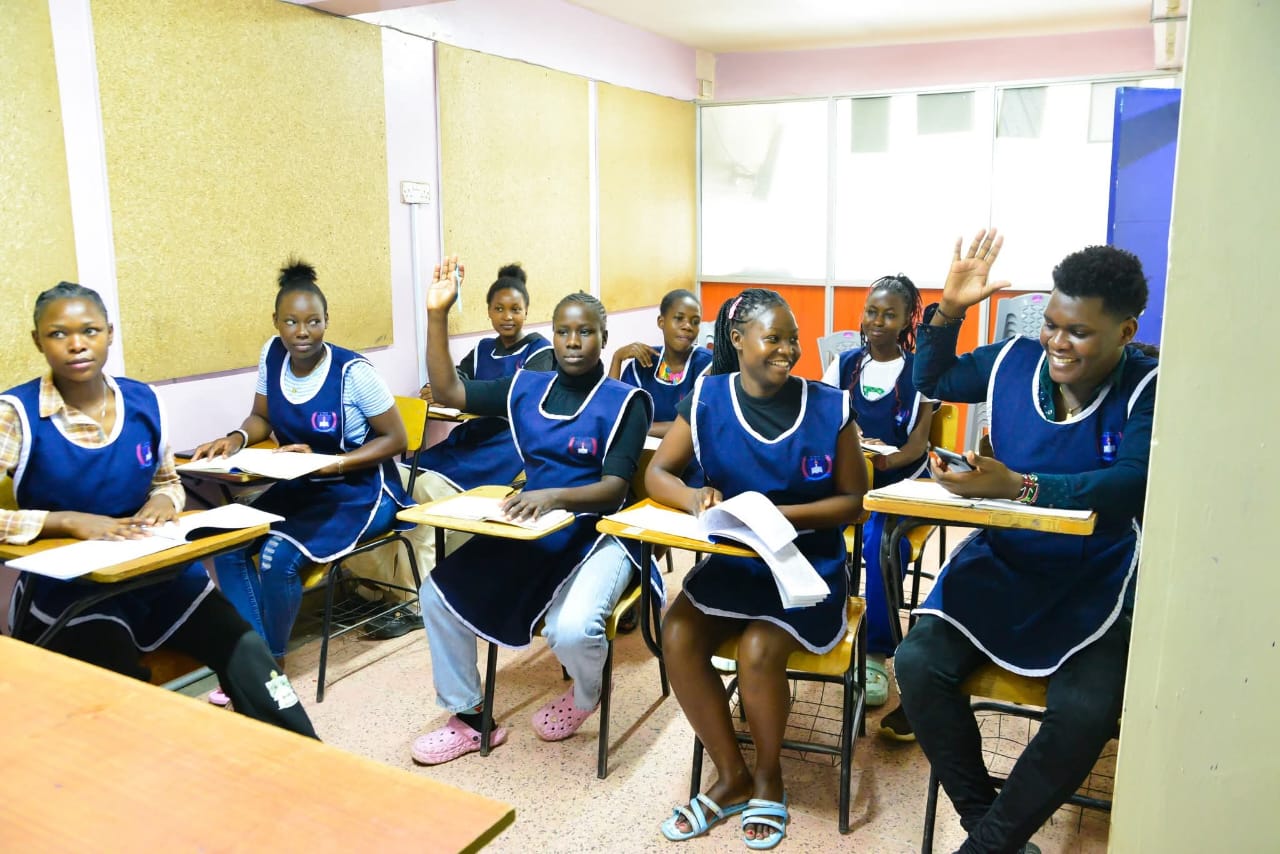
Kenya has a predominantly young population, with an estimated 75% aged between 18 and 35. Yet a significant proportion of these young people remain unemployed and excluded from meaningful opportunities. Many face limited access to skills development, economic participation, and representation in decision-making spaces.
This growing gap between potential and opportunity leaves millions of youth marginalized and underutilized, despite their readiness to contribute productively to the economy. Addressing this challenge is critical—not only for improving individual livelihoods, but also for fostering equitable growth, social stability, and long-term national development.
The Solution
In today’s Kenyan economy, technical and vocational skills have become powerful drivers of employment and income generation. As traditional job opportunities continue to shrink, there is a growing shift toward hands-on, practical skills that enable young people to secure work or create their own livelihoods.
Our Technical & Vocational Skills Training Program is designed to respond to this reality. We equip unemployed youth with market-relevant, practical skills that align with current economic demands and local opportunities.
We offer training in areas such as hairdressing, beauty therapy, catering, dressmaking, electrical installation, plumbing, and ICT, among others. These courses are carefully selected to ensure that beneficiaries can either transition directly into employment or start small businesses with immediate income potential.
Beyond training, we take a holistic approach by supporting youths through certification, mentorship, and access to starter tools—ensuring they are fully prepared to enter the workforce or begin self-employment.
This program is not just about skills acquisition; it is about creating sustainable pathways out of unemployment. By investing in practical skills, we are empowering youth to become self-reliant, economically productive, and active contributors to their communities.
Expected outcomes
Program Model: Competency-Based Education and Training (CBET)
Our program is anchored in a Competency-Based Education and Training (CBET) model that prioritizes practical, hands-on learning as the most effective pathway to employment and self-reliance. This approach is designed to ensure that every learner not only acquires knowledge, but also demonstrates the ability to apply skills in real-world settings.
Training is heavily practice-oriented, with approximately 90% dedicated to hands-on instruction and 10% to theory. Learners engage in demonstrations, guided practice, and real-life simulations that build both technical competence and confidence. This ensures mastery of skills that are directly aligned with market needs.
The CBET model focuses on outcomes rather than time spent in training. Progress is measured by a learner’s ability to perform specific tasks to industry standards, ensuring that graduates are job-ready and capable of delivering quality work from day one.
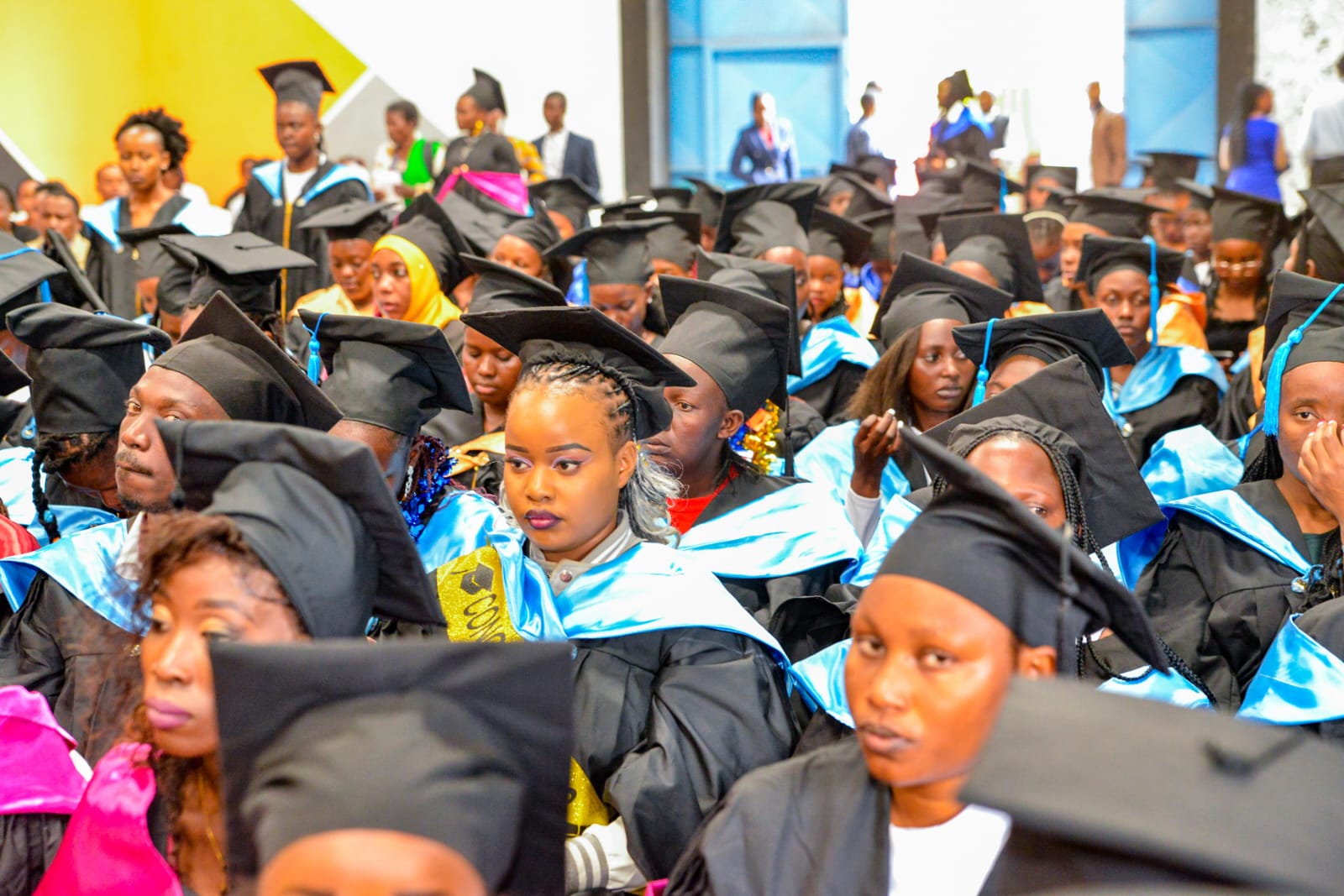
By emphasizing practical application, continuous assessment, and real-world relevance, this model creates a clear and reliable pathway from training to employment or entrepreneurship producing skilled, competent, and income-ready youth.
Help turn practical training into real livelihoods.
Partner with LindTech through scholarships, equipment, mentorship, apprenticeship placements, seed funding, or employment pathways.